What Are Veneers?
Veneers are thin shells, typically made from porcelain or composite resin, that are custom-designed to cover the front surface of your teeth. A dentist bonds them directly onto existing teeth to change their color, shape, size, or length. Think of them as a cosmetic upgrade that sits over your natural tooth structure, creating a smoother, more uniform appearance.
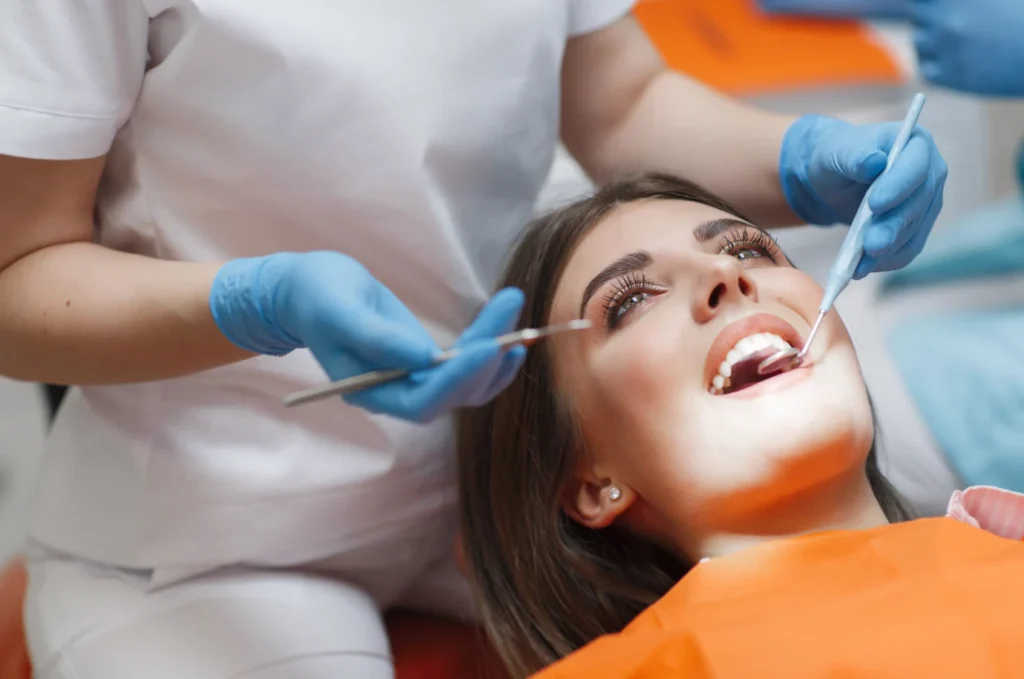
The process usually begins with a consultation, where your dentist evaluates your teeth and discusses your goals. At Jivan Dental Aesthetics, we take this a step further by studying your smile in detail and generating a digital preview before any work begins, so you have a clear sense of the outcome ahead of time. The aim at this stage is generally to enhance your existing features rather than replace them, keeping proportion, symmetry, and color in balance with what already works for your face.
Next, a small amount of enamel is removed from the tooth surface to make room for the veneer. Impressions are taken and sent to a lab, where the veneers are crafted to match your desired shape and shade. Once ready, they are permanently cemented onto your teeth.
Benefits of Veneers
Improved appearance. Veneers can correct a range of cosmetic issues, including stained or discolored teeth, chips, cracks, gaps, and slightly misaligned teeth. Many people choose them for a fast, dramatic transformation without the years-long commitment of orthodontic treatment.
Stain resistance. Porcelain veneers, in particular, resist staining from coffee, tea, and red wine far better than natural enamel. This means your bright smile stays bright for years with proper care.
Durability. With good oral hygiene, porcelain veneers can last between ten and fifteen years, sometimes longer. They are strong enough to handle everyday biting and chewing when treated with reasonable care.
Natural look and feel. Modern veneers are crafted to mimic the translucency and texture of real enamel, so they blend seamlessly with your surrounding teeth.
Considerations Before Getting Veneers
The process is irreversible. Because a layer of enamel is removed to fit the veneer, this step cannot be undone. Once you commit to veneers, you will need to maintain them or replace them for the rest of your life.
Cost. Veneers are considered a cosmetic procedure, so most insurance plans do not cover them. Prices vary widely depending on material and location, and multiple veneers can add up quickly.
Sensitivity. Some patients experience temporary tooth sensitivity to hot and cold after the enamel is removed, though this typically fades as you adjust.
Maintenance matters. While veneers resist staining, they are not indestructible. Avoid chewing on hard objects like ice or fingernails, and consider wearing a nightguard if you grind your teeth, since this can chip or crack the shells.
Not a fix for everything. Veneers address cosmetic concerns rather than underlying dental health issues. If you have cavities, gum disease, or significant misalignment, those problems need to be treated first.
Combining Veneers With Other Treatments
Veneers rarely exist in isolation. Many cosmetic dental practices, including Jivan Dental Aesthetics, note that patients often get the best results from a broader treatment plan that pairs veneers with whitening or other restorative work, phased over time to fit both budget and goals. If you have discoloration on some teeth and structural concerns on others, a combined approach may serve you better than veneers alone.
Final Thoughts
Veneers offer a powerful way to enhance your smile, but they represent a long-term investment in both money and dental structure. Talking openly with your dentist about your expectations, budget, and oral health history, and asking whether a digital preview or a phased treatment plan makes sense for your case, will help you decide if veneers are the right choice for your smile goals.
Ready to Enhance Your Smile?
If you have been considering veneers and want to understand if they are the right choice for your goals, we invite you to schedule a consultation.