
A clinically guided approach to improving sleep quality, airway health, and long-term wellness.
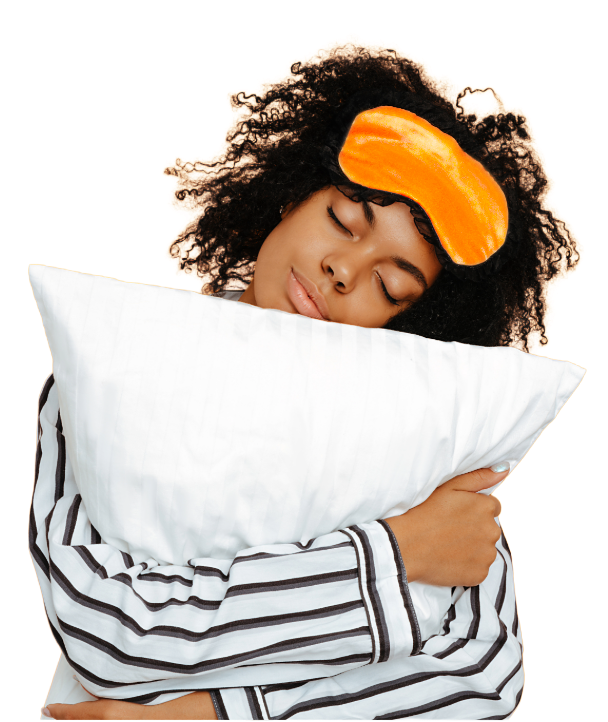
Sleep is not simply rest. It is a critical biological process that supports cognitive function, cardiovascular health, metabolic balance, and recovery.
When sleep is disrupted, even subtly, it can affect energy levels, focus, mood, and long-term health outcomes.
At Jivan Dental, sleep health is approached as part of a broader view of overall wellness. Early identification of sleep-related issues allows for more effective, less invasive intervention.
Obstructive sleep apnea (OSA) occurs when the airway becomes partially or fully blocked during sleep, reducing oxygen flow and interrupting normal breathing patterns.
These interruptions can happen repeatedly throughout the night, often without the patient being aware.
Over time, untreated sleep apnea has been associated with cardiovascular strain, metabolic conditions, and chronic fatigue.
Sleep-related breathing disorders are not always obvious.
Common indicators include:
Because many of these symptoms develop gradually, they are often overlooked or attributed to other causes.
Disrupted sleep affects more than how you feel during the day. Over time, reduced oxygen levels and repeated sleep interruptions can influence cardiovascular health, metabolic function, and cognitive performance.
Sleep quality also plays a role in mood, recovery, and overall quality of life.
Addressing sleep issues early can significantly improve both short-term wellbeing and long-term health.
Dentists are often among the first to recognize signs of airway-related issues. Indicators such as dry mouth, scalloped tongue, and soft tissue changes may suggest underlying sleep disturbances.
At Jivan Dental, screening is integrated into routine care. When indicated, patients are referred for further evaluation and testing in collaboration with sleep physicians.
Dr. Mitesh Jivan is trained in dental sleep medicine and works within a broader care framework to support accurate diagnosis and appropriate treatment.
If you’ve noticed changes in your sleep, energy, or breathing patterns, a simple evaluation can help determine the next step.
Continuous Positive Airway Pressure (CPAP) therapy is a common and effective treatment for sleep apnea. However, many patients find it difficult to tolerate over time due to discomfort, noise, or disruption to sleep.
Challenges may include:
When CPAP is not a viable long-term solution, alternative approaches can be considered.
Oral Appliance Therapy (OAT) is a custom-designed treatment that helps maintain an open airway during sleep.
The appliance is worn at night and functions by gently repositioning the jaw to reduce airway obstruction.
It is:
For many patients, oral appliance therapy provides a more manageable and consistent alternative to CPAP.
Snoring occurs when airflow is partially obstructed, causing soft tissues in the airway to vibrate.
While often dismissed as a nuisance, snoring can be an early indicator of airway compromise.
By improving airway positioning and reducing obstruction, treatment can help minimize snoring while supporting more consistent, restorative sleep.
Deep, uninterrupted sleep supports muscle recovery, neurological function, and cardiovascular balance.
Poor sleep is not an inevitable part of aging. In many cases, it can be improved with the right diagnosis and treatment approach.
Focusing on sleep quality is one of the most impactful ways to improve both daily function and long-term health.
Many patients are unaware of their symptoms. If you experience snoring, fatigue, or disrupted sleep, an evaluation can help determine whether further testing is needed.
Not always, but it can be an early indicator. Persistent or loud snoring should be evaluated, especially if accompanied by other symptoms.
Alternative treatments such as oral appliance therapy may be recommended depending on the severity of your condition and overall health.
For many patients, oral appliances are an effective and more comfortable solution, particularly in mild to moderate cases or when CPAP is not tolerated.
Coverage varies depending on your provider and diagnosis. Our team can help guide you through available options.
The first step is a consultation. We assess your symptoms, review findings, and determine the most appropriate next step.
Schedule your visit at one of our two locations:
Winter Park office at (407) 628-0200 or our
Mount Dora office at (352) 383-2959