
Home » Services » TMJ, Sleep & Facial Aesthetics » Sleep Apnea and Snoring Treatment
TMJ, SLEEP & FACIAL AESTHETICS
Custom oral appliances that help keep the airway open during sleep, provided in coordination with your physician.
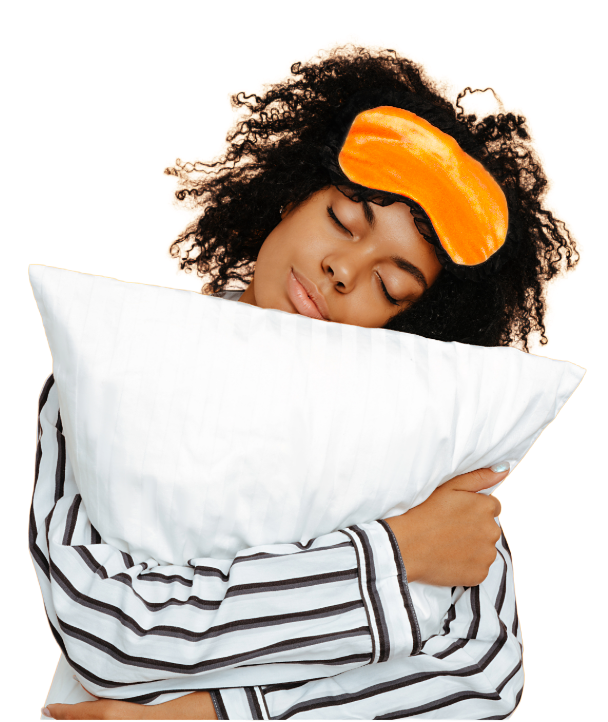
An oral appliance is a custom mouthpiece worn during sleep that holds the lower jaw slightly forward to help keep the airway open. At Jivan Dental Aesthetics, Dr. Mitesh Jivan provides custom oral appliances at offices in Winter Park and Mount Dora, Florida, for patients with diagnosed obstructive sleep apnea who cannot tolerate CPAP. A sleep study through a physician comes first. Bring your report, and Dr. Jivan will create a custom plan.
We do not perform sleep testing. If you have not had a sleep study, we will refer you for one.
Snoring is the sound of soft tissue vibrating as air moves through a narrowed airway. Many people who snore do not have sleep apnea.
Obstructive sleep apnea is a medical condition. The airway repeatedly narrows or closes during sleep, breathing pauses or becomes shallow, and the body briefly rouses to restore airflow. This can happen many times an hour without the person remembering it. Because the two can sound alike, only a sleep study interpreted by a physician can tell them apart.
Untreated sleep apnea is associated with high blood pressure, heart disease, stroke, type 2 diabetes, and drowsy driving, which is why a proper diagnosis matters.
Diagnosis and the overall treatment plan belong to a physician. A dentist can notice signs during an exam, such as a narrow airway, worn teeth from grinding, or a scalloped tongue, and encourage an evaluation. Once sleep apnea has been diagnosed and an oral appliance is an appropriate option, a dentist designs, fits, and adjusts it.
Most oral appliances are mandibular advancement devices: two custom trays, one for the upper teeth and one for the lower, connected so the lower jaw is held slightly forward. Moving the jaw forward brings the tongue and soft tissues with it, which helps keep the airway from collapsing. The position is adjusted gradually until it is both effective and comfortable. A custom appliance fits more precisely and can be adjusted in ways that over-the-counter snoring guards cannot.
CPAP is the first-line treatment, and we encourage patients to try it first. An oral appliance is the alternative when CPAP cannot be tolerated. You also need enough healthy teeth to hold the appliance, healthy gums, and a jaw joint that tolerates the forward position.
Dr. Jivan reviews your symptoms, medical history, and any sleep study results, and discusses what your physician has recommended.
Your teeth, gums, bite, and jaw joints are examined to confirm an appliance can be worn safely.
Records of your teeth and bite are taken so the appliance can be made to fit you.
The appliance is fitted, you are shown how to wear and clean it, and the jaw position is adjusted over the following weeks.
Regular visits check the fit, your comfort, and your bite. For sleep apnea, your physician may order a follow-up sleep study to confirm the appliance is working.
Results vary. An oral appliance reduces snoring and breathing interruptions for many patients, but it does not work for everyone, and feeling better does not prove that sleep apnea is controlled. Follow-up testing through your physician is how you know. Possible side effects include jaw or tooth soreness, excess saliva or dry mouth, and gradual changes in how the teeth meet. The appliance must be worn every night to work.
No. A physician diagnoses sleep apnea, usually with a sleep study. A dentist can identify signs, recommend an evaluation, and provide an oral appliance when one is appropriate.
CPAP is generally more effective at reducing breathing interruptions, especially in severe sleep apnea. Oral appliances are often easier to wear consistently, which matters because a treatment only works when it is used. Your physician can help you weigh the two.
Yes, but sleep apnea should be ruled out first. Treating the sound of snoring without checking for sleep apnea can leave a medical condition undiagnosed.
Most patients adjust within a few weeks. Some jaw or tooth soreness in the morning is common at first and usually fades.
When sleep apnea has been diagnosed, an oral appliance is often billed to medical insurance, and coverage varies by plan. Appliances for snoring alone are usually not covered. Our team can help you review your benefits before treatment.
If snoring or poor sleep is affecting you or someone you share a home with, the first step is finding out why.
Winter Park
329 N. Park Avenue, Suite 360
Winter Park, FL 32789
(407) 628-0200
Mount Dora
2230 W. Old US Highway 441
Mount Dora, FL 32757
(352) 383-2959