
Home » Services » Restorative Dentistry » Dental Bridges
RESTORATIVE DENTISTRY
A fixed, natural-looking way to replace one or more missing teeth and restore an even bite.
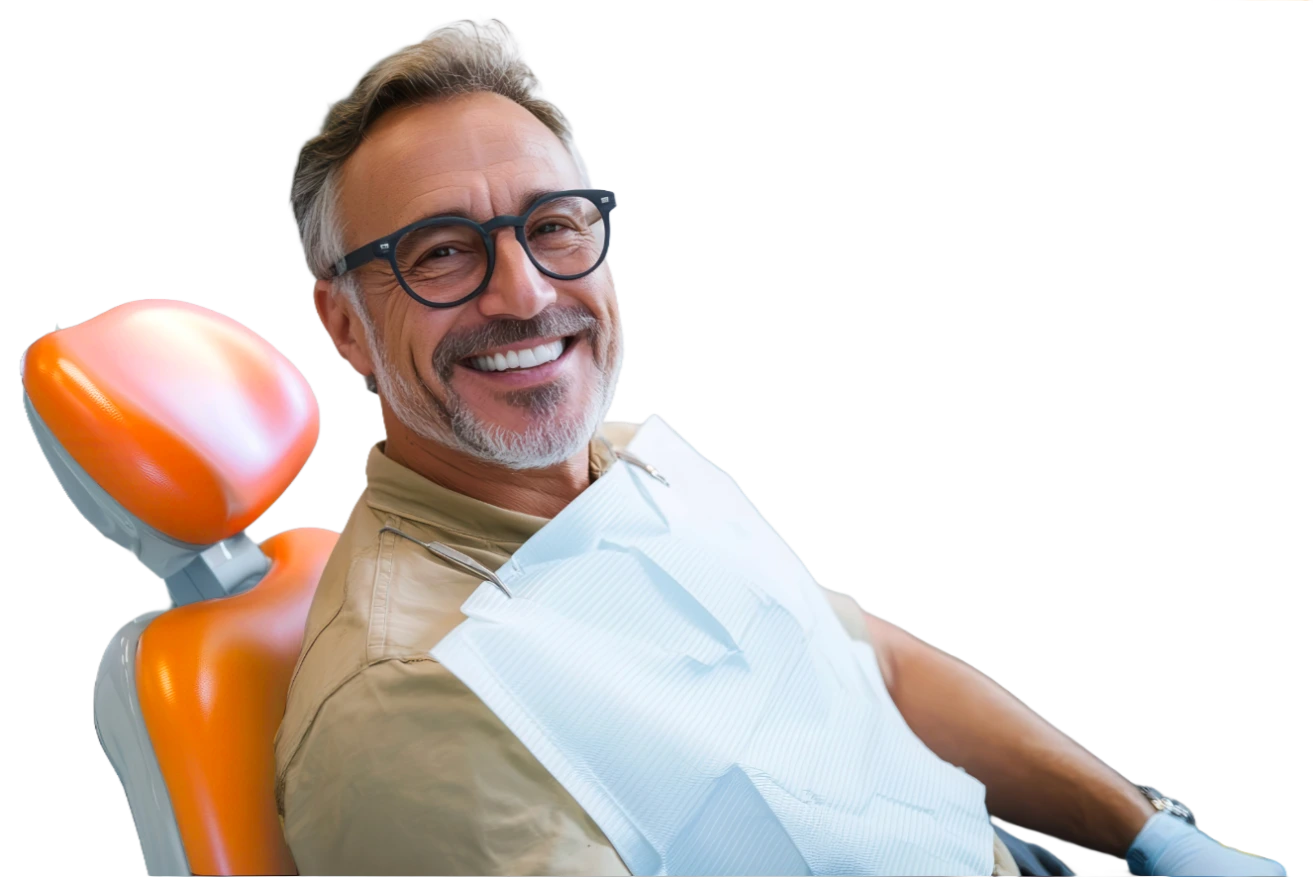
A dental bridge replaces one or more missing teeth with a fixed restoration that is anchored to the teeth on either side of the gap. At Jivan Dental Aesthetics, Dr. Mitesh Jivan designs and places custom bridges at offices in Winter Park and Mount Dora, Florida. A bridge stays in place, is cared for much like natural teeth, and is typically completed in two to three visits.
A traditional bridge has three parts: a crown on the tooth at each end of the gap, and one or more replacement teeth fused between them. The supporting teeth are called abutments. Once the bridge is cemented, it does not come out, and it looks and works like a row of natural teeth.
A bridge can be a good option when:
Replacing a missing tooth matters for more than appearance. Over time, neighboring teeth can drift into the space and the opposing tooth can shift, which changes your bite and makes cleaning harder.
We examine the gap, the neighboring teeth, and your bite, and take digital X-rays to confirm the supporting teeth are strong enough.
The abutment teeth are numbed and shaped so crowns can fit over them.
We take a digital scan or impression, and you leave with a temporary bridge that protects the prepared teeth.
The finished bridge is checked for fit, color, and bite, adjusted as needed, and cemented in place.
A bridge is usually faster and does not involve surgery, but it relies on the neighboring teeth for support. A dental implant stands on its own and helps preserve the jawbone, but it takes longer to complete. Our Multiple-Tooth Replacement page compares the options side by side.
Brush twice a day and clean under the replacement tooth every day with a floss threader, a small interdental brush, or a water flosser. Food and plaque collect beneath a bridge, and the supporting teeth can still get cavities and gum disease. With good home care and regular cleanings, a bridge commonly lasts many years.
A bridge commonly lasts many years. Its lifespan depends mostly on the health of the supporting teeth and gums, which is why daily cleaning under the bridge matters.
No. The supporting teeth are numbed with local anesthetic during preparation. Some sensitivity for a few days afterward is normal.
A bridge most often replaces one or two teeth in a row. Longer gaps place more force on the supporting teeth, so an implant-supported bridge or a partial denture may be a better fit.
Yes. Once you have adjusted to it, you can eat most foods. Very hard or sticky foods are best avoided, as they are with natural teeth and crowns.
If you are missing a tooth, a consultation will show whether a bridge, an implant, or another option fits you best.
Winter Park
329 N. Park Avenue, Suite 360
Winter Park, FL 32789
(407) 628-0200
Mount Dora
2230 W. Old US Highway 441
Mount Dora, FL 32757
(352) 383-2959